
How Much Do Hair Extensions Cost? Real Pricing Factors
How much do hair extensions cost? Compare real pricing, hidden fees, and expert tips.

Morning light slid across the mirror at Eugenia’s Hair Studio, catching the brass at one client’s hairline and the salt still clinging to her sweater from the Virginia Beach air. She did not need more inches. She needed the best hair extensions for volume, the kind that disappear into real hair, soften a flat perimeter, and keep their secret when daylight, wind, and movement have their say.
The chair creaked softly as the cape settled. Foil crackled somewhere behind her, a toner bowl tapped against porcelain, and the room carried that clean mix of shampoo, heat, and ocean damp that belongs to a busy salon near the coast. Flat hair has a particular kind of frustration: it grows longer, but never fuller. The ends turn sheer, the sides sit close to the face, and every bright bathroom bulb tells the same story.
That is where most extension shopping goes wrong. The search starts with long, glossy photos, but the real problem lives at the crown, through the sides, and at the perimeter. At Eugenia’s Hair Studio, the decision is built around blend first. The best result comes from lightness, flat attachment points, precise color work, and a haircut that erases the seam before anyone else has a chance to notice it.
The best option for volume is not the thickest package of hair. It is the method that vanishes into the natural hair and creates believable fullness without bulk, stiffness, or obvious attachment points.
Across beauty coverage in 2025 and 2026, the market has shifted toward lighter methods, flatter bonds, and more natural movement. Editorial guidance keeps circling the same idea: invisible blending wins. That means comfort, realism, and wearability matter more than dramatic density. A set of extensions can look impressive on a hanger and still fail completely once it is installed under real light.
Length and volume get sold together, but they are not the same purchase. Most people who say they want “more hair” are reacting to thin sides, see-through ends, or a shape that falls flat by noon. Extra length often makes that problem worse because the bottom edge stretches thinner and starts looking stringy.
Strategic fullness reads richer and more expensive than oversized installs. A smaller amount of hair, placed through the sides and crown, gives the shape weight where it counts. The result looks like better hair, not obviously added hair.
A method blends only if it disappears in motion. That means no shelf at the root, no chunky corners at the sides, no hard color break, and no ends that split visually from the natural hair.
The salon mirror can be forgiving. Daylight is not. Wind off the water in the 757 lifts layers, exposes placement, and reveals every bulky tab or mismatched tone. The real test happens under a bright sky, in a car mirror, or across a lunch table. If the attachment announces itself, the method failed.
https://www.youtube.com/watch?v=QRGAqu0B66o
Different extension methods solve different problems. The strongest choice depends on density, texture, daily routine, and how much commitment makes sense for the natural hair.
Clip-ins are one of the smartest choices for occasional volume. They are removable, easy to style for events, and ideal for someone who wants fullness for photos, weekends, or a polished night out without sleeping in extensions.
Smaller sets often blend better than oversized glam packs. Fine and medium hair rarely needs a wall of extra hair. A modest clip-in set placed through the sides and back gives soft body and shape, while giant sets create bulk at the root and a fake-looking finish at the ends.
Halos work by resting on a nearly invisible wire, which means no adhesive, no beads, and no bond points. They feel light and simple, and they suit people who want a quick fullness boost without changing their routine much.
The limit is customization. A halo adds general volume, but it cannot be tailored as precisely around the hairline, crown, or face. It works best for soft fullness, not detailed density correction.
Tape-ins are one of the strongest everyday choices for believable volume because the tabs lie flat. That low profile matters, especially on finer hair where every bit of bulk shows.
When installed with precision, tape-ins distribute weight cleanly and move naturally. They do require maintenance appointments and careful placement, but the payoff is a result that tends to look smooth and quiet at the root. For anyone comparing attachment feel and finish, this breakdown of flat daily-wear methods helps clarify why tape-ins often outperform bulkier options.
Keratin bonds and microlinks create a more tailored result because the placement is smaller and more flexible. A bond is a tiny attachment point that secures added hair near the root. That smaller scale allows a stylist to build fullness exactly where the natural hair needs support.
These methods demand honesty about hair condition. Fragile blonding, weak edges, and breakage change the plan. When the hair can handle them, keratin bonds and microlinks create beautiful movement and a less uniform, more customized finish than broad-panel systems.
Textured hair needs texture-specific blending. A generic straight-hair system on curly or coily hair fails fast because the movement, humidity response, and bulk pattern do not match.
Sew-ins and specialized textured installs often perform better for dense, curly, or coily hair because they respect natural expansion and shape. The goal is not to flatten texture into submission. It is to build fullness that behaves like the rest of the hair when the air turns damp and the day runs long.
Some of the best volume work comes from the smallest pieces. Fill-in systems are built to add density at the crown, sides, or through the ends without requiring a full dramatic install.
These systems are especially useful when hair is fine, short, or fragile. Instead of forcing too much hair onto too little support, a stylist can place lighter pieces exactly where the eye notices thinness. The result is softer, safer, and far more believable.
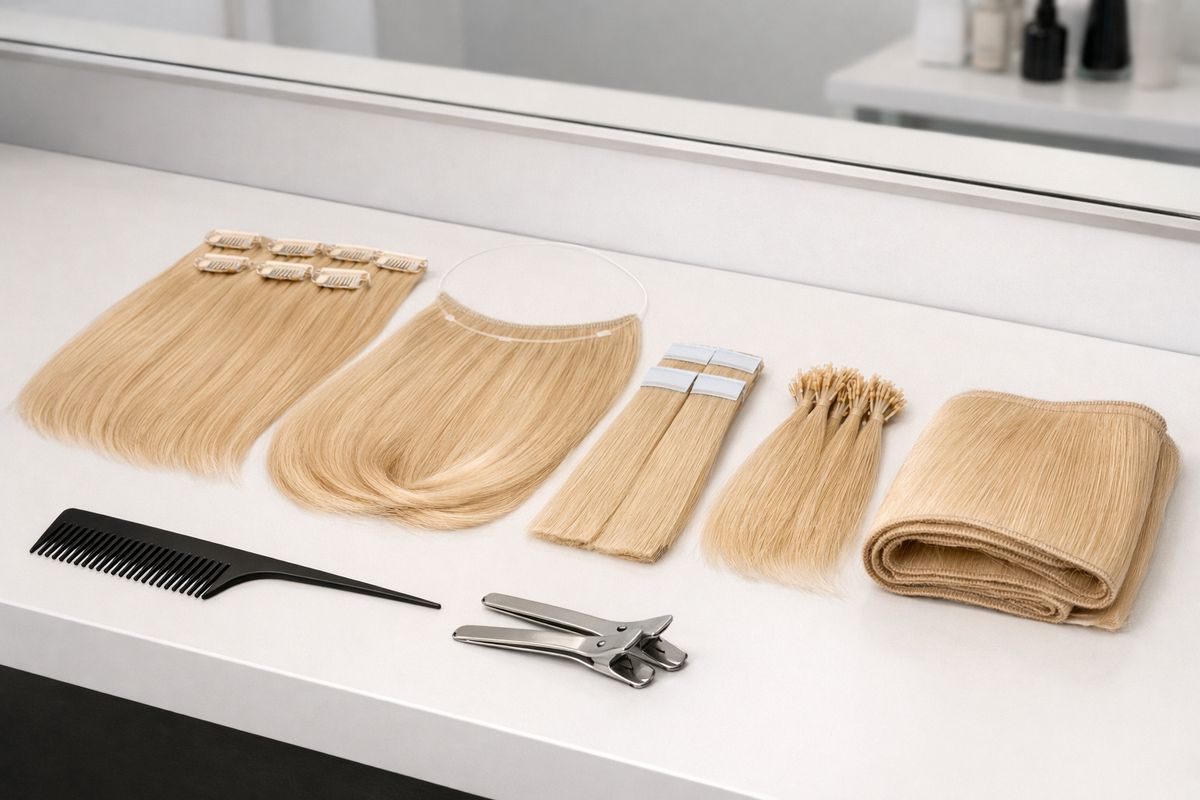
Blend quality comes down to four things: density match, flat construction, precise color, and haircut shape. Everything else is secondary.
The extension has to match the natural density from root to ends. Too much added hair creates a ledge, a visible step where the natural hair gives out and the extension keeps going. Too little added hair produces the opposite problem, a weak and disconnected finish.
This is why volume-first planning matters. The natural hair decides how much weight and fullness belongs in the final look. Not the trend cycle, not the packaging photo.
Thin wefts and flat bonds blend best because they stay close to the head. Beauty coverage has consistently emphasized that thinner pieces attached near the root look more seamless than thicker, obvious sections. Low-bulk construction matters most near the crown and sides, where even slight thickness can print through the hair.
The difference shows up in everyday life. Sunlight through a windshield, wind at the beach, and a close conversation across a café table all expose bulk. That is why so much current trend language centers on “invisible” systems and natural movement, according to recent trend coverage.
Shade matching alone is not enough. Undertone is the hidden temperature in the color, the warm, cool, golden, beige, copper, or neutral cast that changes how hair reads in light. If the natural hair has brass, orange bands, box-dye patches, or an uneven salon result, extensions will not fix the mismatch by themselves.
Custom toning solves what stock shades cannot. A toner is a color formula used to refine or neutralize unwanted warmth after lightening. On balayage, rooted blondes, and dimensional brunettes, the extension has to echo the same shifts in depth and tone or it will sit on top of the hair like a separate piece. More detail on this standard appears in this guide to seamless blend cues.
A haircut does more blending than most shoppers realize. Layers, face-framing, and softened ends erase the line where natural hair hands off to added hair.
Blunt cuts are harder to disguise, especially when the natural hair is short or thick. Editorial styling advice has repeatedly pointed to razor-cutting or thinning the ends for a softer transition on fuller installs. The extension can be expensive and beautifully colored, but if the shape stays heavy and square, the seam remains visible.
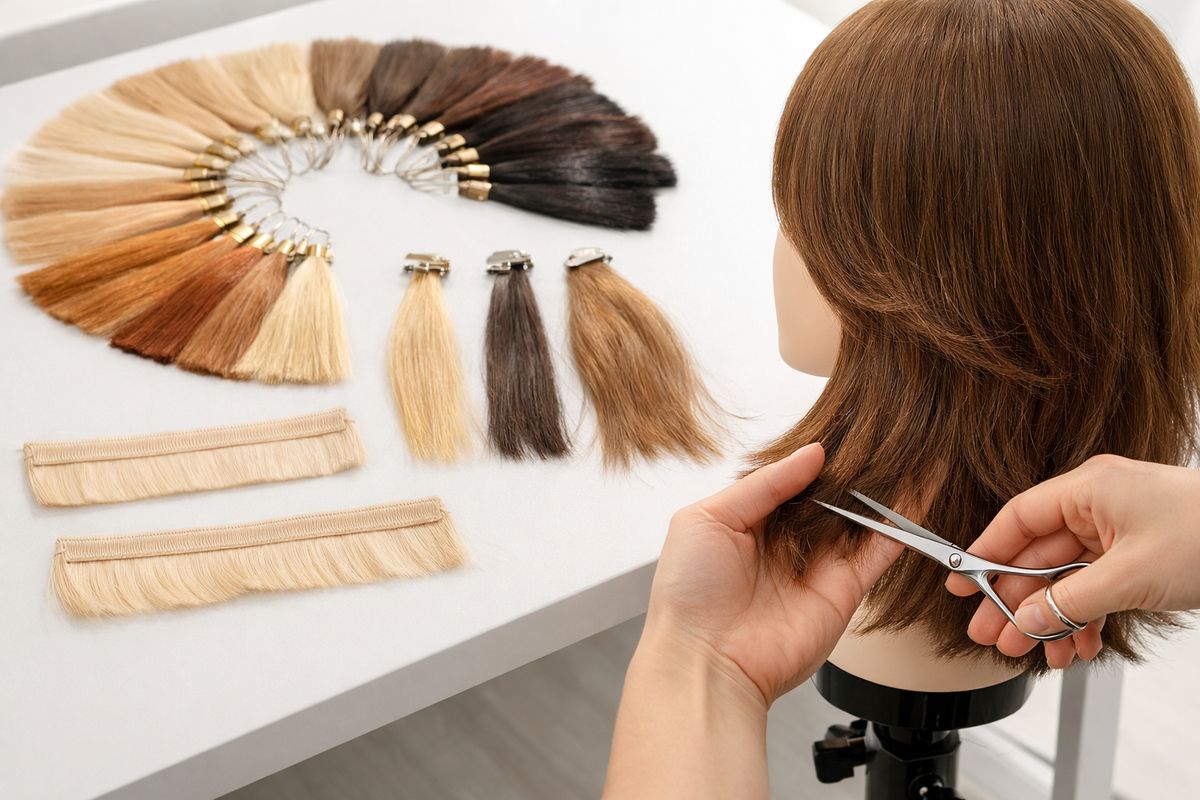
Not every head of hair is ready for every method. The honest answer is often less glamorous than the social media version, but it leads to better hair in the long run.
Fine hair needs less weight and more precision. Heavy rows expose themselves quickly because the natural hair does not have enough density to hide them.
Smaller placements, lighter methods, and lower tension give fine hair a better chance at holding fullness without strain. The goal is visible body with minimal stress, not the biggest install the budget allows.
Bleach fatigue changes everything. Hair that feels rough, stretchy, or patchy in tone does not benefit from a heavy extension plan layered on top of unresolved damage.
Corrective color often needs to happen first, or at least in stages. Extensions can add visual brightness and dimension while natural hair recovers, but they cannot cover every structural problem. For hair already under chemical stress, this guide on when waiting is smarter lays out the logic clearly.
Textured blending is judged by movement, pattern match, and humidity response. Straight extensions on textured hair usually fail within minutes outside because the texture disconnect becomes obvious as the hair shifts.
The better standard is simple: match the curl pattern, distribute the bulk properly, and choose methods designed for textured wear. Anything less looks temporary, even when it was expensive.
Most bad extension results follow a pattern. The mistakes are predictable, and they are avoidable.
Length sells the fantasy, but density sells the illusion. When buyers chase inches first, they often end up with that classic thin-bottom shape, thick near the top and weak through the perimeter.
Volume-first decisions hold up better. Once the sides, crown, and ends look full enough, length can be added in a way that still feels believable.
Most salon color is not one flat shade. Balayage, rooted blondes, dimensional brunettes, and corrective work all carry several tones at once.
A single extension shade against multi-tonal hair often looks false right away. Mixing shades or custom toning creates that broken-up, natural look where nothing stands out for the wrong reason.
Even great extensions stop blending when the haircut grows out. Layers drop, face-framing loses shape, and the transition starts showing at the ends.
That is why maintenance is not only about moving the extension up. It is also about re-shaping the hair around it so the softness stays intact.
Weak hair does not become stronger because the result looks glamorous online. Delicate edges, over-lightened sections, and compromised hairlines need lightweight, low-tension planning.
The right standard is restraint. Better to build density gradually than overload fragile strands and lose blend quality along with hair integrity.
Price changes the quality of hair, the comfort of wear, the finesse of the color match, and the skill behind the placement. It does not buy automatic realism.
Budget clip-ins and halos can work well for occasional wear. They offer easy fullness for a dinner, photo session, or wedding styling appointment without a long commitment.
The trade-off usually appears in the details: extra shine, fewer shade options, bulkier clips, and less nuanced density. They can still be worthwhile, but their limits show faster in bright light.
Mid-range options often deliver the best value for someone focused on believable volume. Better tape-ins, better-made clip-ins, and higher quality hair alignment usually mean softer movement and a more natural finish.
This is the tier where many women find the sweet spot: enough quality to look convincing, without paying premium pricing for a full custom transformation. For a fuller picture of what changes from one tier to another, price drivers explain what salons are really charging for. Pricing varies, and a consultation is the best way to get an accurate quote.
At the premium end, the money goes into customization. That includes hand-selected shades, refined attachment points, texture matching, strategic placement, and a staged plan when the natural hair is not ready for everything at once.
That kind of work matters most in corrective color cases, texture matching, and fine-hair blending. It is less about luxury branding and more about restraint, judgment, and detail.
The best method changes with the situation. The right fit becomes clearer when the goal is named plainly.
Lightweight tape-ins, small keratin placements, and volume fillers usually win here. Fine hair exposes thick sets quickly, so flatter, lighter systems do a better job of staying hidden.
The best result adds body at the sides and perimeter without making the root area look crowded. Less hair often blends better.
Clip-ins and halos are the strongest fit for short-term styling. They create polish, fullness, and photo-ready movement without requiring weeks of upkeep.
For events, volume-focused sets usually photograph better than extremely long glam sets. Fuller ends and balanced shape look more expensive than exaggerated length with thin tails.
Lower-commitment methods make the learning curve easier. Clip-ins, halos, or conservative tape-in placement give first-time clients room to understand the feel, care routine, and amount of fullness they actually enjoy.
Starting subtle tends to produce better decisions later. Once daily wear, comfort, and blend preferences become clear, the plan can expand.
For clients dealing with brass, banding, or uneven lightness, extensions can create the look of more depth and brightness without forcing another aggressive lightening session right away. That strategy works best when the color plan and extension plan are built together.
This is especially relevant in Hampton Roads, where sun, salt air, and old DIY color often leave blonde and brunette tones uneven. A consultation at Eugenia’s Hair Studio gives space to map out what the hair can handle safely and what should happen in stages.
Texture-specific installs belong at the top of the list. Pattern match outranks trend appeal every time.
When the curl shape, density distribution, and humidity behavior line up, the result looks natural in motion. When they do not, the mismatch shows instantly.
A strong consultation should answer the blend question before any hair is ordered. Under bright lights, a stylist parts through the crown, checks the fragile areas near the hairline, studies previous color bands, and listens for the details that change the recommendation: scalp sensitivity, styling habits, workout routine, maintenance tolerance, and color history.
This is where honesty matters most. A good consultation does not chase the biggest transformation in the fastest timeline. It builds the right one.
A serious stylist should be able to say which method fits the hair safely, how much hair is actually needed for volume only, what upkeep will look like, and whether the current haircut and color are ready for extensions.
The answers should sound specific, not rehearsed. Fine density, box-dye history, porosity, and breakage all change the plan. Porosity means how quickly the hair absorbs and loses moisture, and highly porous hair often grabs color unevenly and tangles faster.
One-size-fits-all recommendations are a warning sign. So are big promises with no discussion of damage, tension, maintenance, or haircut refinement.
Another red flag is skipping the color conversation. If no one talks about undertones, dimension, and how the extension will be cut into the shape, the final result is already at risk.
Extensions stop looking natural when dryness, matting, tone shift, and overgrown placement take over. Good maintenance protects the blend, not just the investment.
The roots should stay clean, quiet, and free of buildup. Hair should be brushed with patience, especially near attachment points, so the extensions move instead of catching.
Heavy residue makes roots separate poorly and draw attention to the installation. Soft, clean hair reflects light more naturally and keeps the blend believable.
Every method has a maintenance rhythm. Tape-ins need repositioning, keratin and microlink clients need check-ins, and temporary methods still need washing, trimming, and proper storage.
Color also shifts with time. Rooted blondes, balayage, and dimensional brunettes often need toning refreshes to keep the natural hair and extension hair speaking the same language. Talk with Eugenia about hair goals through a consultation at Eugenia’s Hair Studio when the blend starts looking louder than the rest of the style.

By the time the chair turns back toward the mirror, the room sounds different. The blow dryer hushes. The ends no longer disappear. Fullness sits where the light hits first, through the sides, along the perimeter, at the places that used to fall flat before lunch.
Outside, the Virginia Beach air moves through the hair without lifting a secret to the surface. That is the whole standard. The best hair extensions for volume are the ones nobody notices because the blend holds at the root, through the ends, and under real sky, just as the morning light returns to the mirror.
How much do hair extensions cost? Compare real pricing, hidden fees, and expert tips.
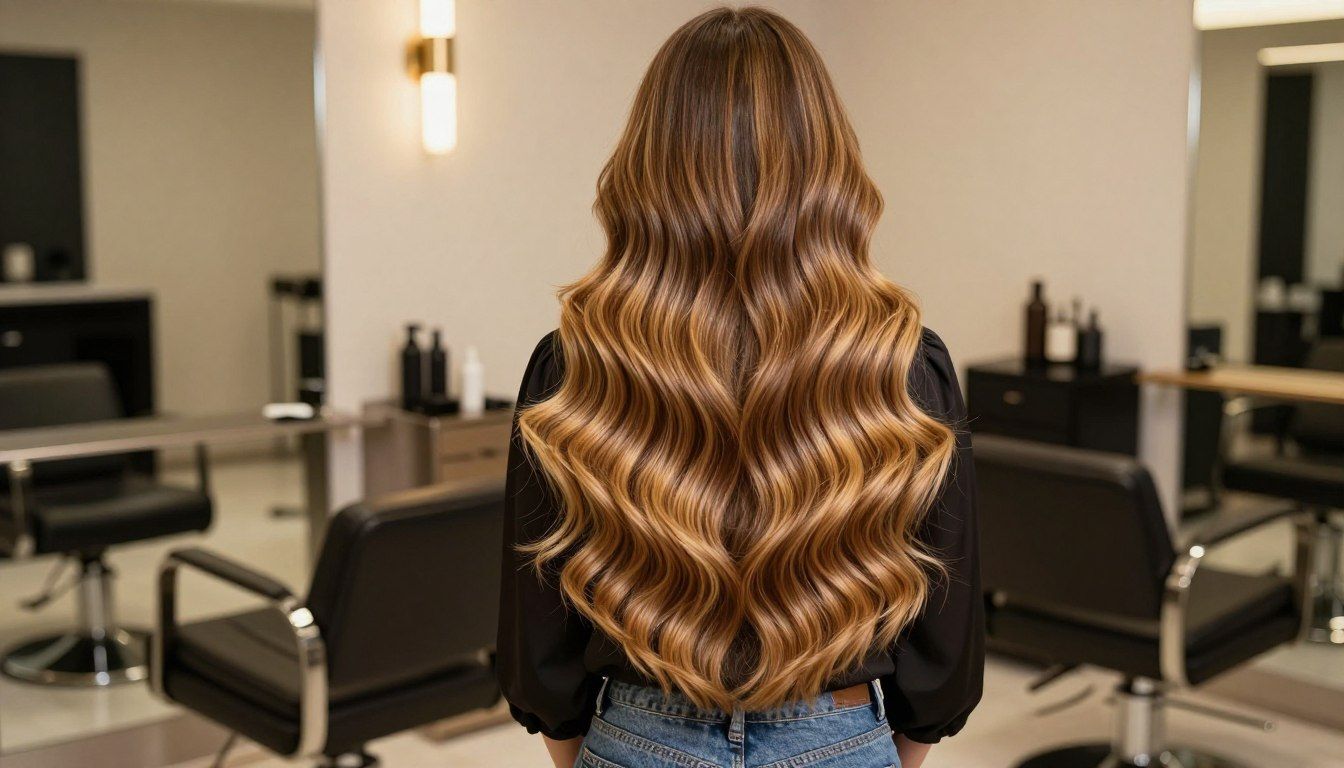
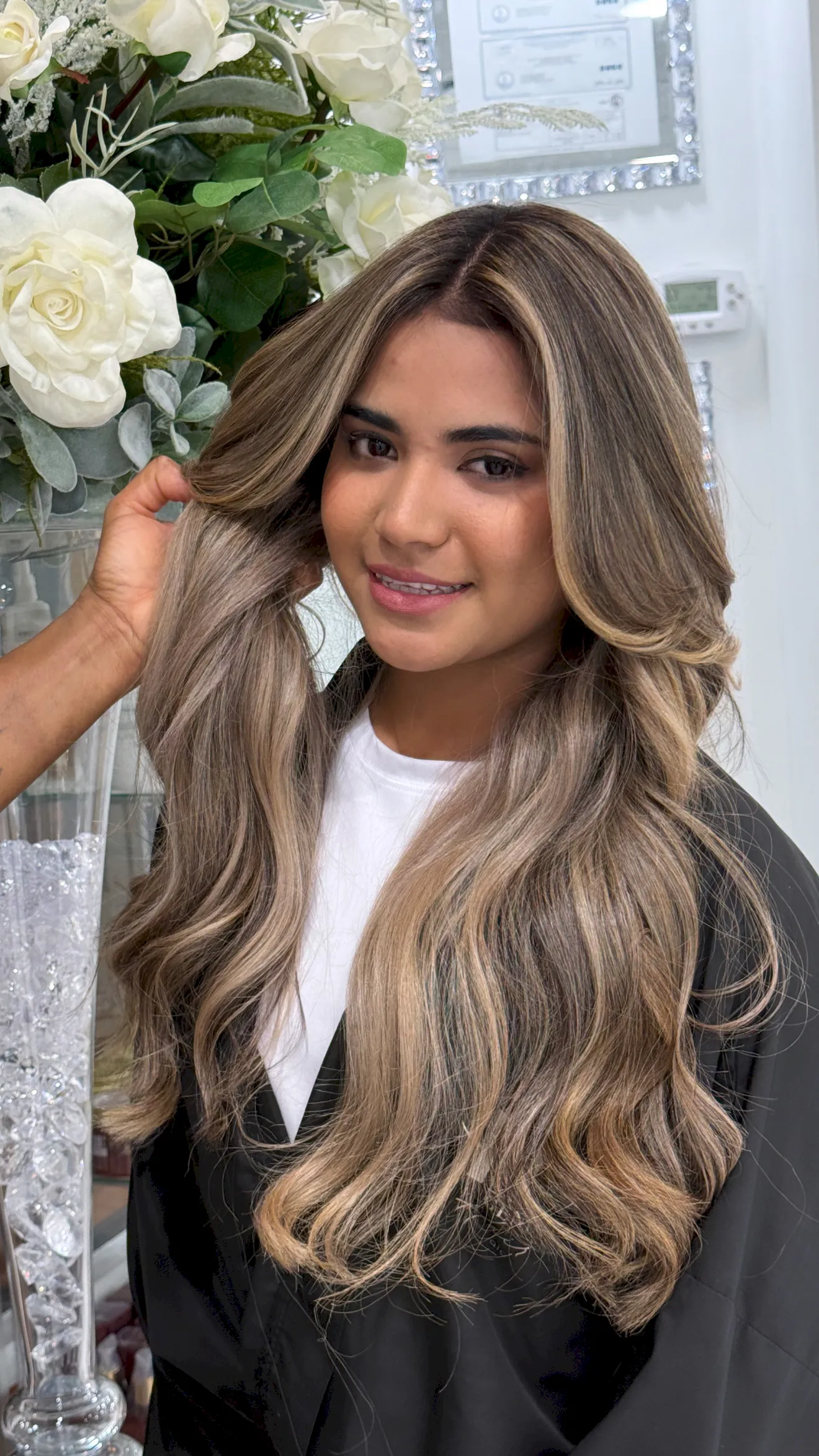
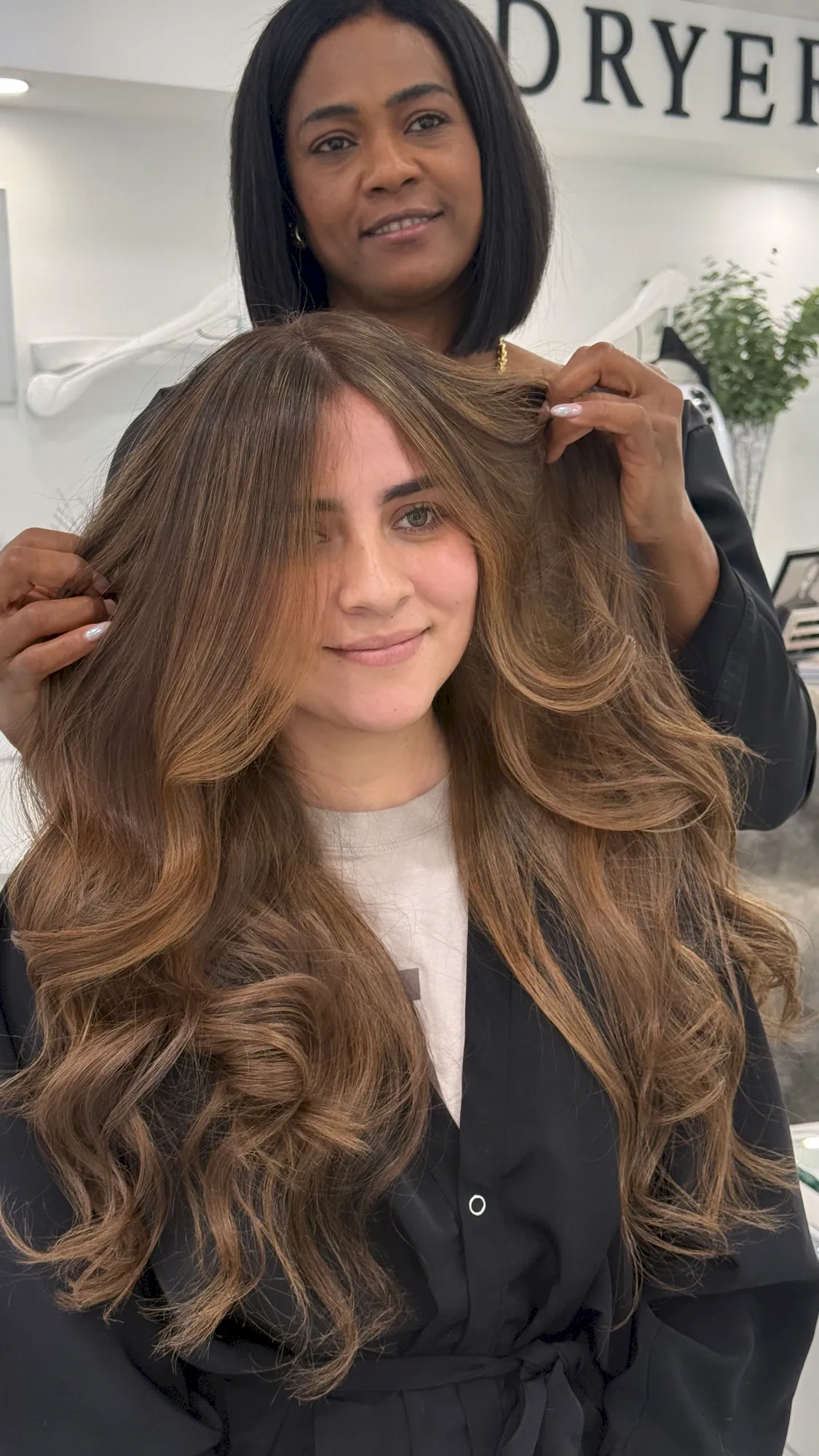
Getting the style you dream of is more than just adding length. Many people looking for natural looking hair extensions find the key is in a detailed, strand-by-strand application. This way, the extensions blend seamlessly with your hair.
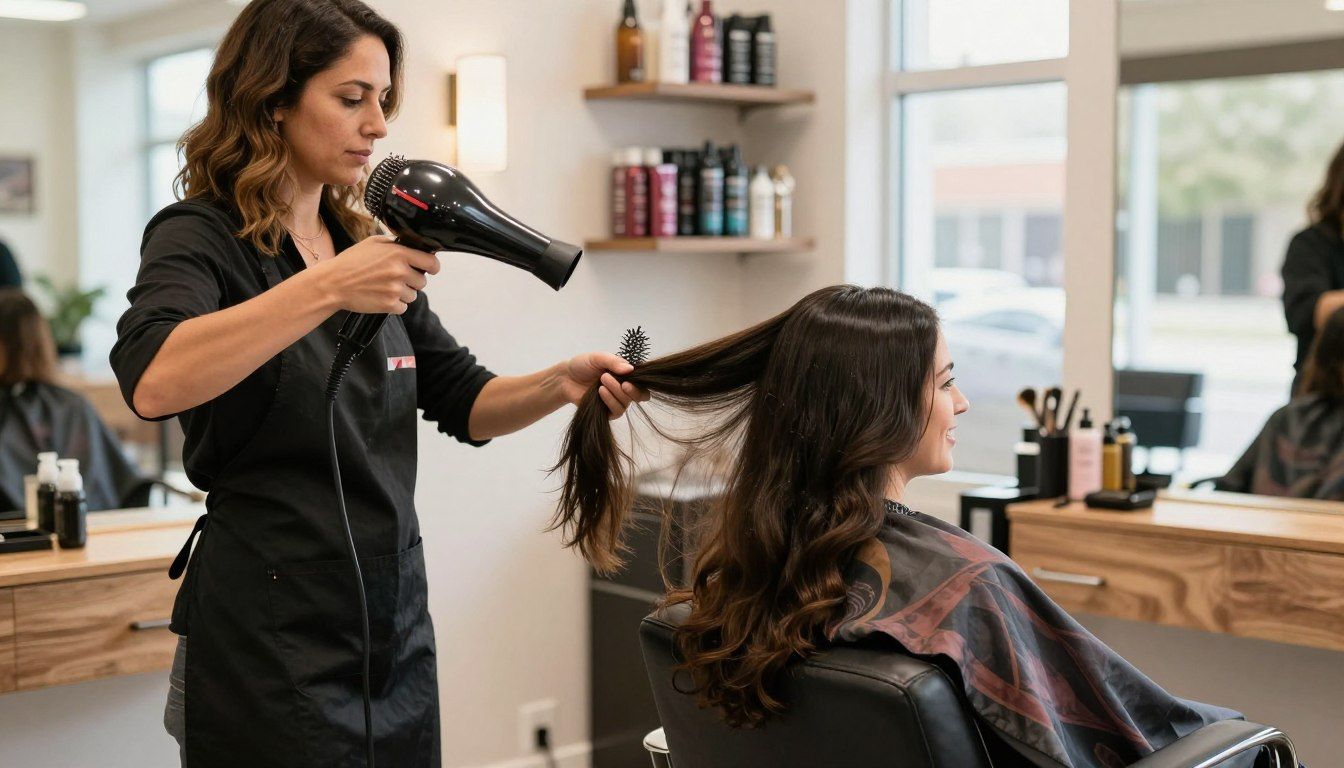
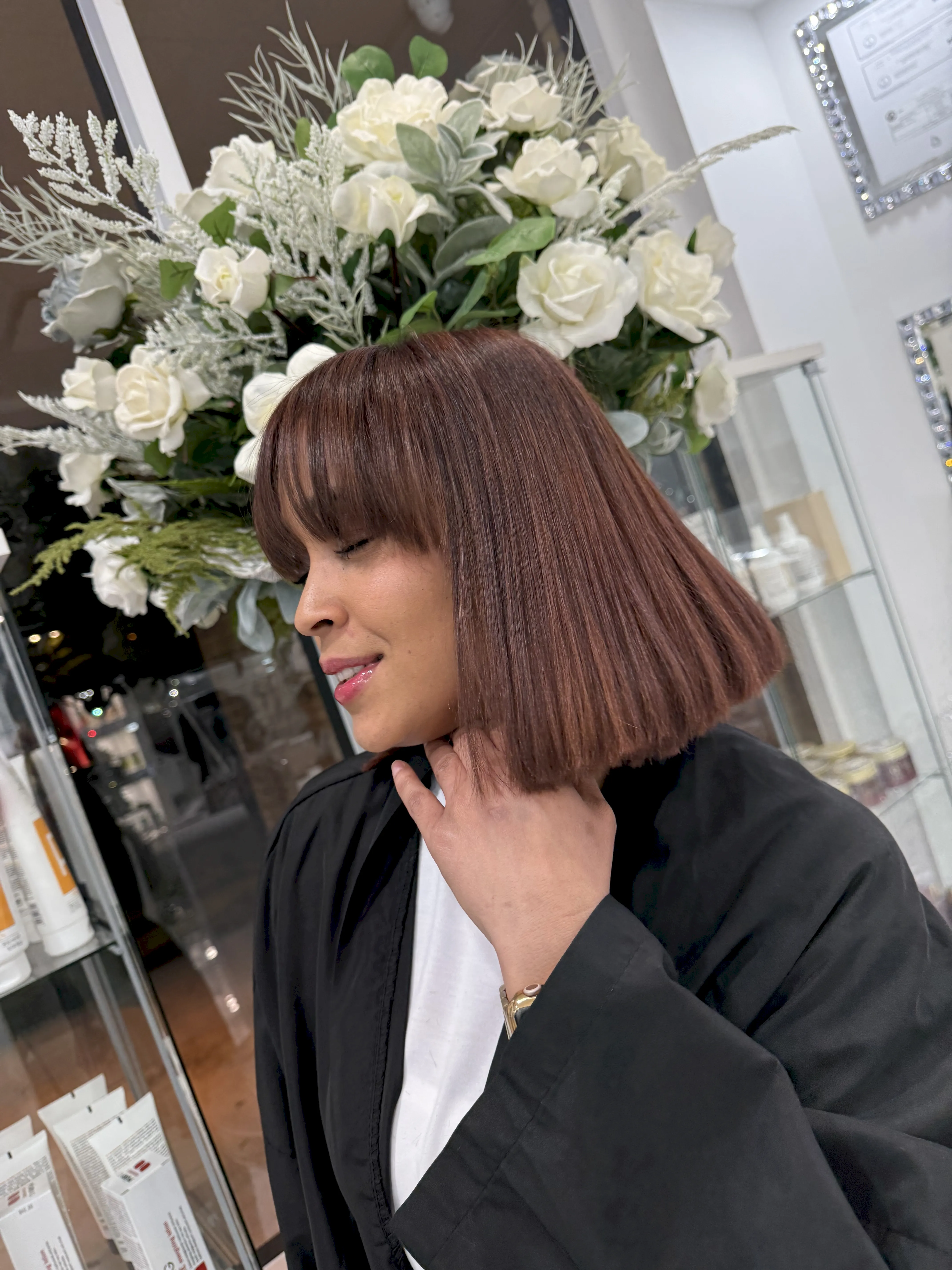
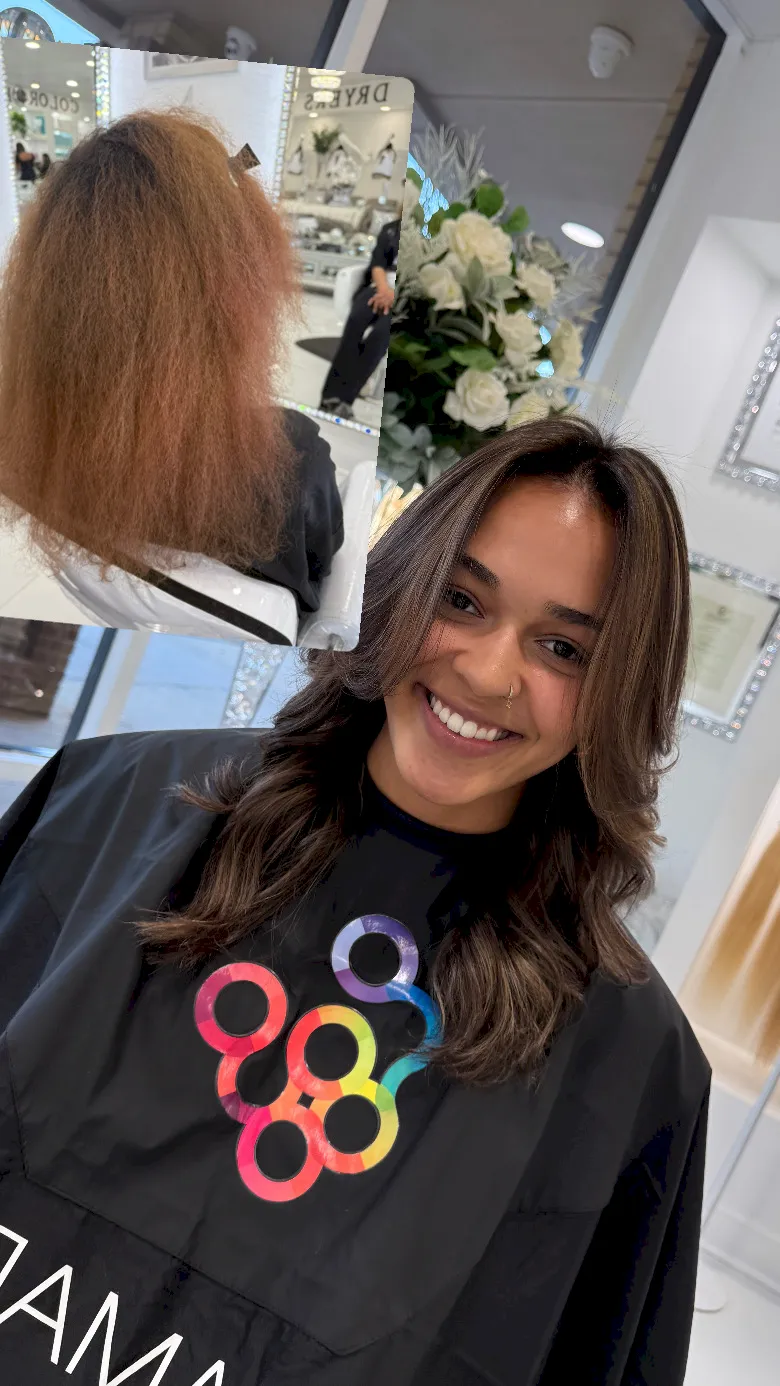
Experience the art of hair styling with the Dominican blowout, a non-chemical service that enhances your natural beauty. At the Escape Blowdry Bar and Salon, located in Virginia Beach, clients can enjoy a unique approach to polished hair without the use of harsh relaxers. Since opening in 2017, this salon has become a staple for those in Hampton Roads seeking quality hair services.



.svg)


