What Is a Dominican Blowout? Tradition, Technique and Who It Suits

What is a Dominican blowout?
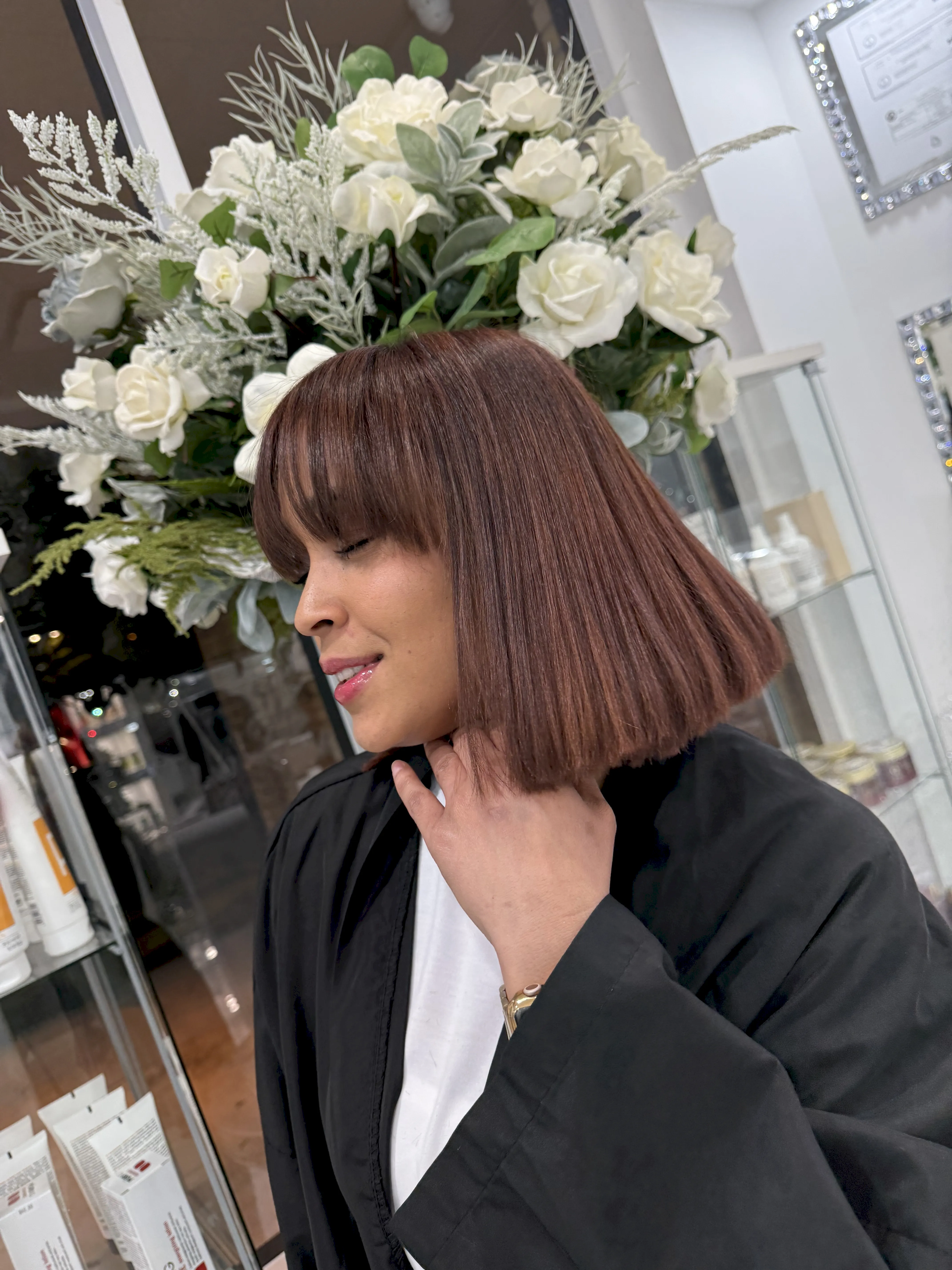
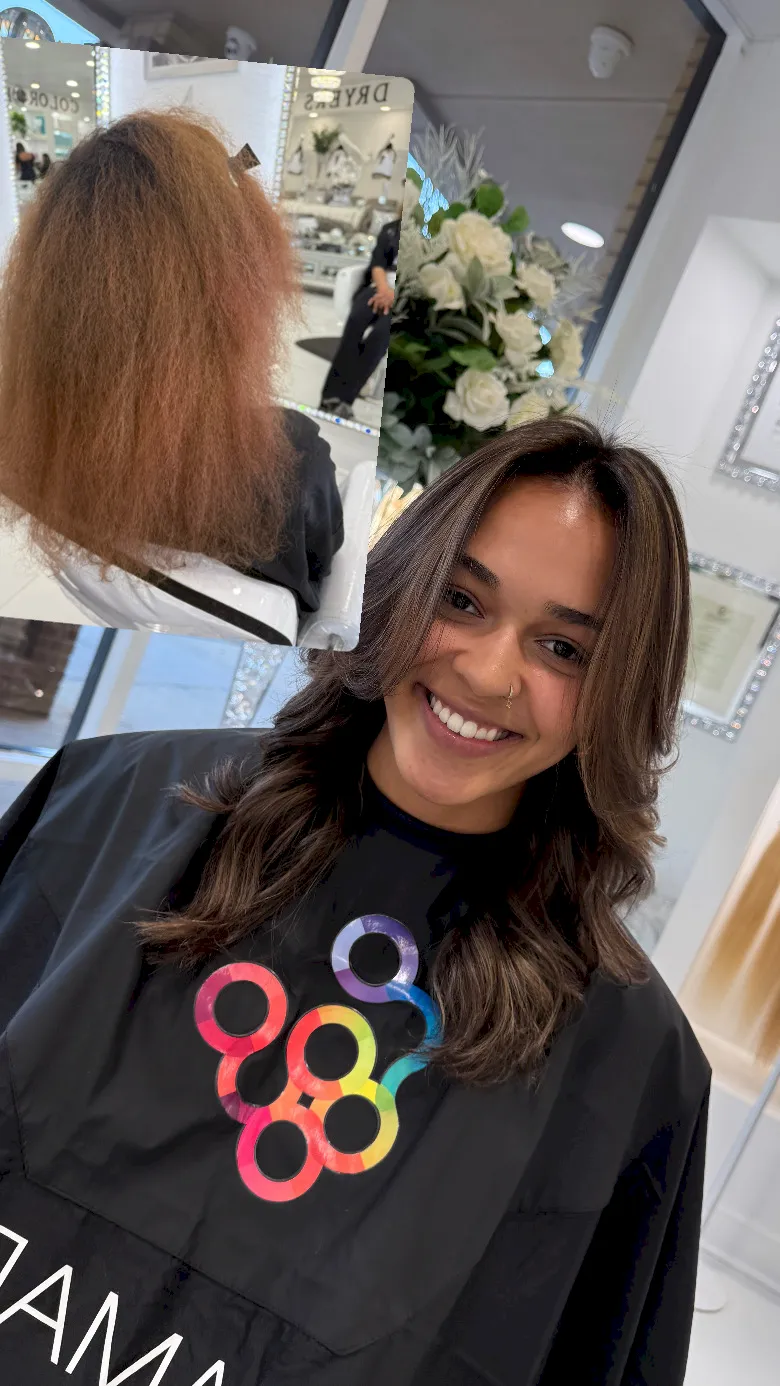
A Dominican blowout is a heat styling service from the Dominican Republic that straightens textured hair without chemicals. The hair is washed, deep conditioned, set on rollers and dried under a hood, then blown out at the root with a round brush. It lasts until your next wash, roughly one to two weeks.
The result is smooth hair that still has body and swing, and because nothing chemical is applied, your natural texture comes back when you wash. Book one at Eugenia Hair Studio.
Key terms
- Lavado y secado: "wash and dry," the everyday name for the Dominican blowout in the Dominican Republic.
- Roller set: damp hair wound on rollers so it dries stretched and smooth before any direct heat.
- Hood dryer: the seated dryer that dries the roller set with slower, indirect heat.
- Round-brush blowout: the step where the roots and lengths are blown smooth with a round brush and tension.
- Doobie (tubi): wrapping the finished hair around the head and pinning it to keep it smooth.
- El flow: the movement and swing that sets a Dominican blowout apart from flat, pressed hair.
- Reversion: straightened hair returning to its natural texture after water or humidity.
Where does the Dominican blowout come from?
The Dominican blowout is the traditional way hair is straightened in the Dominican Republic. A Dominican Hair Alliance guide describes it as a set procedure that has not changed much in decades, known on the island as the "lavado y secado," or wash and dry. The name sounds simple, but the process is a lot more involved.
The same guide explains why it caught on. Before Dominican technique influenced US salons, pressing was usually done with hot combs or flat irons plus heavy greases or pressing creams, which left hair stiff and heavy, without movement.
Accounts of how the technique spread through the US differ on timing. The Dominican Hair Alliance guide says Dominican stylists brought their movement and straightness on even very tight natural hair to New York salons during the late 90s and early 2000s, and that the silk press emerged around 2010 as a hybrid of the hot comb press and the Dominican blowout. A 2010 Wall Street Journal report, summarized by Bossip and discussed on NPR, described Dominican salons as a fixture in New York City since the 1980s and rapidly expanding to other US cities, including Atlanta.
According to Remezcla, the technique is rooted in the African ancestry in Dominican history: many Dominicans have curly, coily or dense hair that reverts quickly in the island's humidity. Remezcla calls the movement that defines a good Dominican blowout "el flow," and notes the finished style is wrapped in a tubi, or doobie, at night.
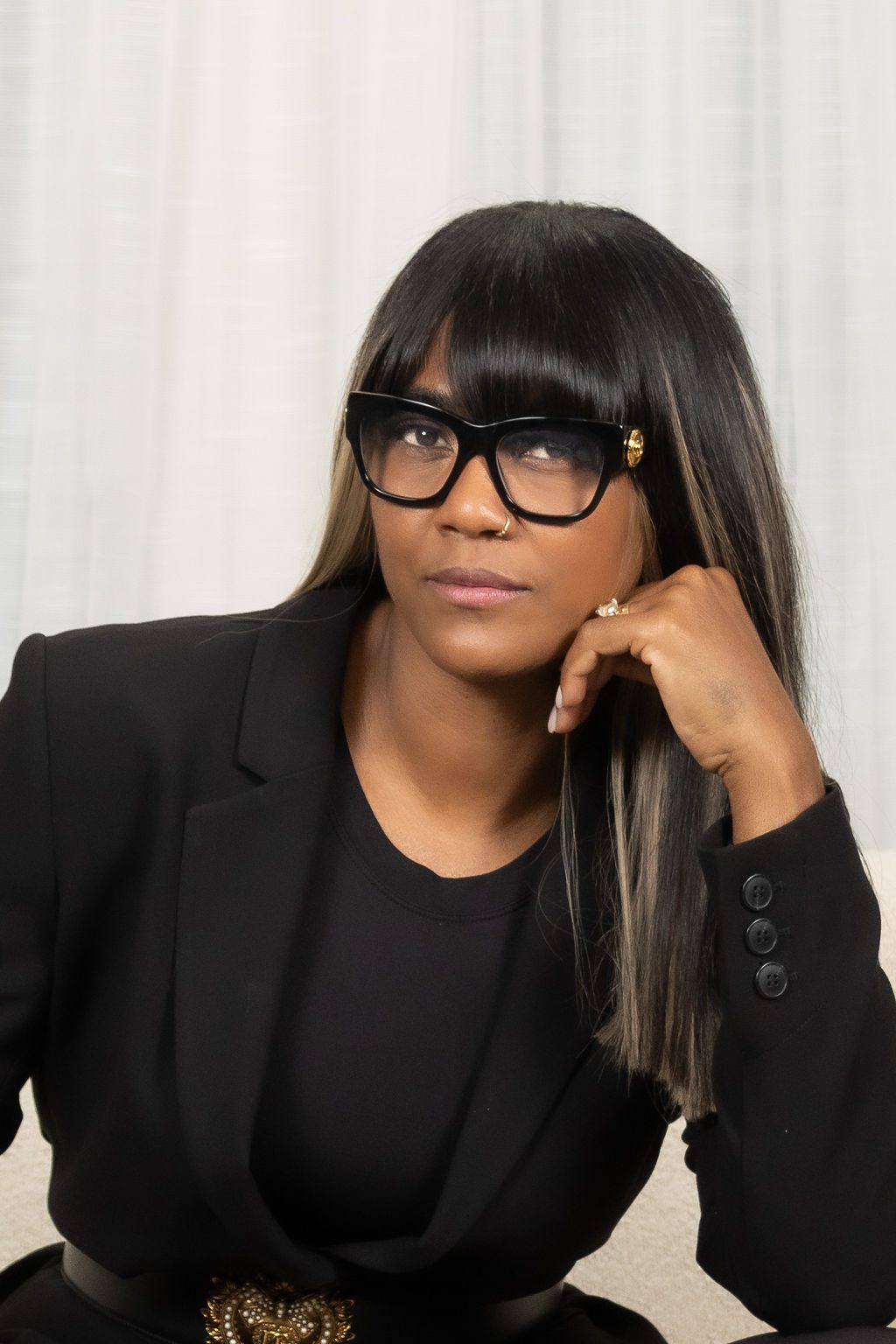
Eugenia Drescher is Dominican-born and first watched hair work as a girl in her abuela's small salon in Santo Domingo. She trained with masters in the Dominican Republic, studied advanced techniques across Europe and Latin America, and has done hair for over 20 years, now in the 757.
How is a Dominican blowout done, step by step?
Published guides describe the same core sequence, and each step prepares the hair for the next one.
- Clarifying wash. A clarifying shampoo removes the buildup that gets in the way of a smooth result.
- Deep conditioning. A rich conditioner softens the hair so it straightens more fully with less damage. The Dominican Hair Alliance guide treats this step as mandatory.
- Roller set. While the hair is still wet, it is set on rollers. The set stretches and partially straightens the hair and adds bounce and volume, so less heat is needed later. Stylist Ona Diaz-Santin told Remezcla that the roller set and the tension are what give the Dominican blowout its reputation.
- Hood dry. The client sits under a hood dryer until the hair is fully dry. In Dominican hairdressing culture, direct heat on wet hair is avoided, and the indirect heat of the hood is slower but gentler.
- Serum. Once the rollers come out, a light, oil-free silicone serum is applied sparingly as a heat protectant.
- Round-brush blowout. The stylist blows the hair smooth with a round brush, working quickly. Diaz-Santin calls technique and tension the most essential element. Stylists generally keep the tension even from root to end, because that is where the smoothness and movement come from.
- Flat iron, only if needed. A flat iron is not traditionally part of the process. Some stylists use one after the blowout if the hair has resisted, or to help the smoothness last.
- Doobie wrap. The final step wraps the hair around the head to smooth it all the way and add movement.
At Eugenia Hair Studio, the flat iron is a light finishing pass only where your hair needs it, usually the ends or the hairline. See what is included in a Dominican blowout appointment.
Can you do a Dominican blowout at home?
You can try. Remezcla's at-home guide with Diaz-Santin stresses preparation first, with the right shampoo and conditioner, then a thermal protectant before any heat. "Too much or too little heat can both affect the outcome," she says. The same article is honest about the limits: no at-home attempt fully replicates what a trained Dominican stylist does with a roller set, a hood dryer and a round brush.
How does a Dominican blowout compare with a silk press, Brazilian blowout and keratin smoothing?
All four leave hair smoother, but only two are heat styling alone. A Brazilian Blowout is a brand of chemical smoothing treatment, and keratin smoothing is also a chemical treatment sealed with heat.
| Dominican blowout | Silk press | Brazilian Blowout | Keratin smoothing | |
|---|---|---|---|---|
| Heat | Roller set under a hood, then a blow-dry on dry hair; flat iron optional | Mostly direct heat: a blow-dry, often on wet hair, then a flat iron | Smoothing solution sealed in with a flat iron | A keratin formula, sealed with heat |
| Finish | Smooth, with volume and movement | Sleek and glossy; a silkier look typically needs about 420 to 450°F on the iron | Smooth and frizz-free, per the brand | Smoother, softer hair; curls relaxed and softened, not removed |
| How long it lasts | Until your next wash, roughly 1 to 2 weeks | Up to about a month, though washing within 1 to 2 weeks is advised | About 10 to 12 weeks with the brand's aftercare, per the brand | Months; Eugenia's clients report 4 to 5 months |
| Chemicals | None | None | Yes | Yes |
| Time in chair | About 2 to 3 hours | Budget at least 2 hours for shoulder-length natural hair | As little as 80 minutes, per the brand | Varies; given at your consultation |
| Reversible with water? | Yes, your texture returns when you wash | Yes, unless the hair is heat damaged | No, it fades over weeks | No, it fades slowly over months |
Sources: silk press and Dominican blowout figures from the Dominican Hair Alliance guide; Brazilian Blowout figures from the brand's FAQ and salon treatment page; keratin smoothing from the keratin treatment page.
Eugenia Hair Studio offers the Dominican blowout and keratin smoothing; the silk press is not on the menu. If you want smoothness that lasts through many washes, a keratin smoothing treatment is the better fit. For the chemical options side by side, read keratin treatment vs Brazilian blowout.
Is a Dominican blowout good for natural, curly and 4c hair?
Yes, in most cases. The Dominican blowout was made for hair with texture, and it is one way many women with curly and coily hair wear their hair straight without a relaxer.
Tighter curls take more work. The Dominican Hair Alliance guide explains that hair in the 4b-4c range has more bonds holding its curl, so more energy goes into straightening it. Resistant hair needs extra time, and that is when a flat iron may be added at the end.
Fine hair often does well too. The roller set lifts the root, so thin and fine hair often looks fuller after a Dominican blowout than after a regular blow-dry.
Who should wait or choose something else?
- Hair that is breaking or heat damaged. Repeated high heat on weak hair can make it worse.
- Anyone who wants smoothness through many washes. That is a job for keratin smoothing, not a blowout.
- Anyone protecting their curl pattern. Frequent heat can loosen curls over time.
Some published guides go further. Holistic Enchilada and You Probably Need a Haircut advise skipping it on damaged, relaxed or chemically treated hair, or if you wear extensions. If your hair has a chemical history, mention it when you book so it can be checked first.
As practical advice, if you have a very humid week ahead, or you know you will not wrap your hair at night, consider timing the appointment around that.
Eugenia looks at your hair before any heat touches it. When hair is not ready for a blowout, she may recommend starting with a treatment and a trim, or a keratin smoothing treatment instead. See her other treatments.
How long does a Dominican blowout last?
It lasts until your next wash, roughly one to two weeks. Humidity is the biggest factor: in Virginia Beach, summer is the short end and winter is the long end.
Published guides agree. The Dominican Hair Alliance guide says Dominican blowouts are designed to last about a week, or up to two weeks if you know how to stretch them, and much less in humid conditions. It also advises washing within two weeks at most, for your hair's moisture and for hygiene, even if the hair has not reverted.
How long does the appointment take?
Plan on about 2 to 3 hours; longer, denser or shorter coily hair runs longer. For context, the Dominican Hair Alliance guide suggests budgeting at least 3 hours for shoulder-length natural hair, with the hood dryer typically the longest stage.
How do you make a Dominican blowout last longer?
Most of the work happens at night and on wet days. Remezcla's guide calls the nightly tubi, or doobie, wrap non-negotiable, because it keeps the shape and prevents friction from the pillowcase.
- Wrap it at night. Brush the hair around your head in a doobie wrap, pin it, and cover it with a satin scarf or bonnet.
- Sleep on satin. A satin or silk pillowcase reduces friction and frizz.
- Pack a scarf. Spending the night away? Remezcla suggests bringing a silk or satin scarf to wrap your hair.
- Keep water away. Wear a shower cap, skip the steam room, and carry an umbrella on rainy days.
- Mist the ends on humid nights. A light anti-humidity spray on the ends helps if you will be dancing or out in the humidity.
- Go easy on product. A little serum on the ends is enough. Natural Hair Queen also suggests avoiding butters, which weigh hair down, and water-based moisturizers, which can make it revert.
- Plan beach days. Salt water and sweat bring curl back fast, so book your blowout after the beach, not before.
The full routine is on the service page under keeping your blowout fresh.
Is a Dominican blowout bad for your hair?
Not by nature, but it is heat, and heat needs care. Because no chemicals are applied, a Dominican blowout does not change your hair permanently the way a relaxer does.
Its structure also avoids one known risk. "Bubble hair" happens when wet hair meets high heat: water boils inside the strand and leaves bubble-shaped cavities that make it brittle. DermNet describes how these bubbles thin the hair and break the shaft, and a 2011 case report in the International Journal of Trichology linked it to hot ironing on wet hair. A Dominican blowout dries the hair under a hood first, so the direct heat of the blow-dryer only meets dry hair.
The remaining risks come from technique and tools, according to the Dominican Hair Alliance guide:
- blow-dryers set to excessively high temperatures,
- friction and stretching from rough or slow round-brush work,
- a flat iron used too hot or too often.
Damage can also build up. The guide notes that curls reverting after a wash does not prove hair is free of heat damage, and Natural Hair Queen reports that many women who get routine Dominican blowouts find their curl pattern loosens over time. The Dominican Hair Alliance guide adds that at very high flat iron temperatures, a share of strands will not revert at all. If your hairline is fragile, say so, so your stylist can go gentler there.
How often can you get one?
Some clients book every one to two weeks, in step with how long a blowout lasts. Published guides are more cautious. Natural Hair Queen suggests no more than once every two weeks for healthy hair, and Holistic Enchilada and You Probably Need a Haircut suggest about six weeks between blowouts if your hair is prone to damage.
That is why the approach at Eugenia Hair Studio is consultation first: every appointment starts with a wash and deep conditioning, a heat protectant goes on before the blowout, and the flat iron stays a light finishing pass. If your hair is already heat damaged, Eugenia will tell you, and your blowouts will be spaced out.
How much does a Dominican blowout cost?
At Eugenia Hair Studio, a Dominican blowout is quoted at consultation. The price depends on your hair's length and density, whether you add a treatment, and how much flat-iron finishing your hair needs. Here is why we quote at consultation.
For national context, a 2026 cost guide from MyHairSalons, based on published salon menus in the Zoca Beauty Price Index (July 2026), puts blowouts in the US at a typical $50 to $95, with a median of $65. Its sample ranges:
- basic blowout: $50 to $70
- textured blowout: $60 to $85
- deluxe blowout: $70 to $95
Those are national menu figures, not a quote. A premium salon with a 2 to 3 hour appointment can sit at the upper end of those ranges or above.
Ready to book your Dominican blowout?
Book a Dominican blowout in Virginia Beach with Eugenia at 4001 Virginia Beach Blvd, Suite 114. Book online through Vagaro, or call or text 757-478-9908. Appointments are required, so book ahead. Se habla español.
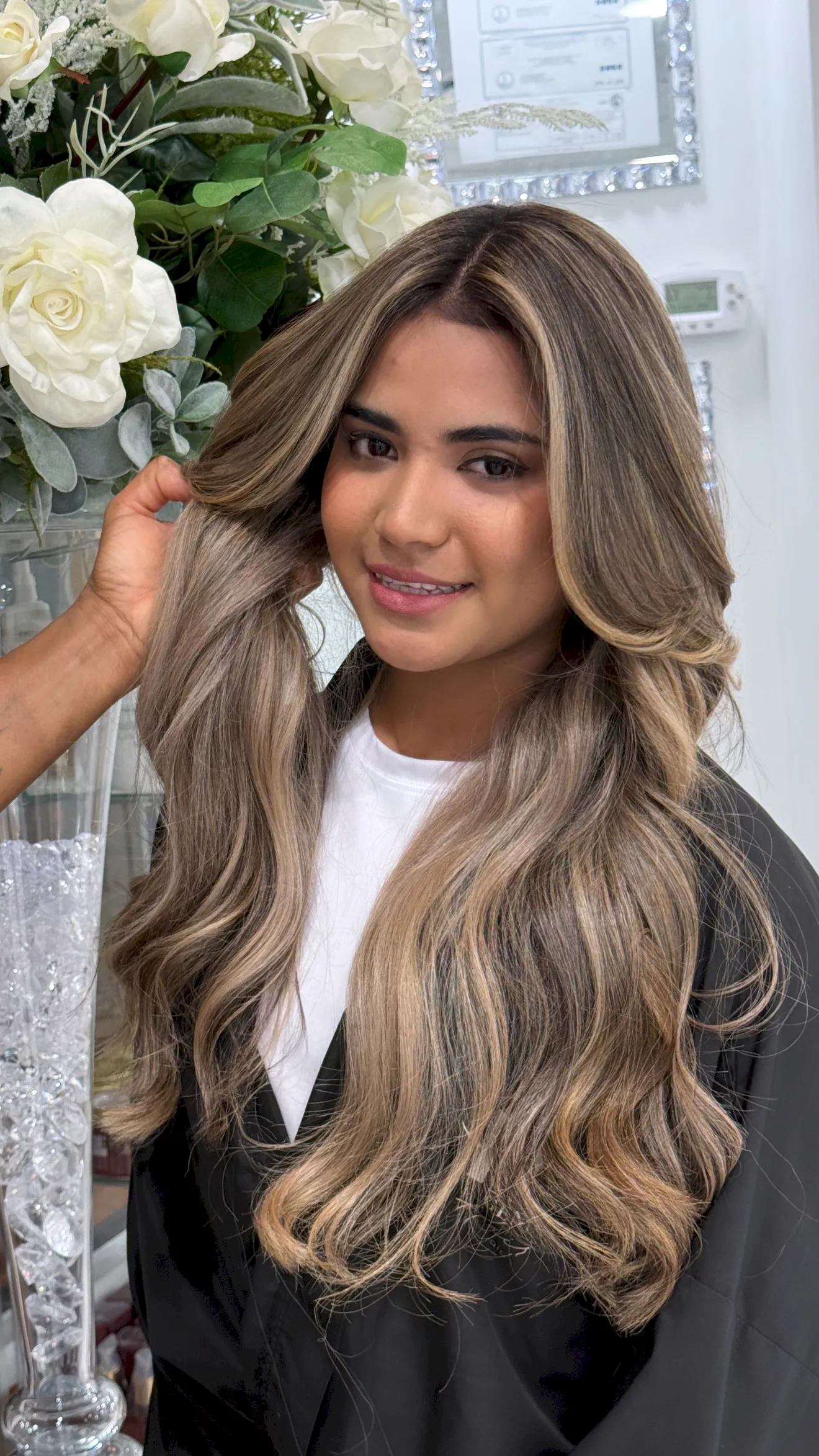
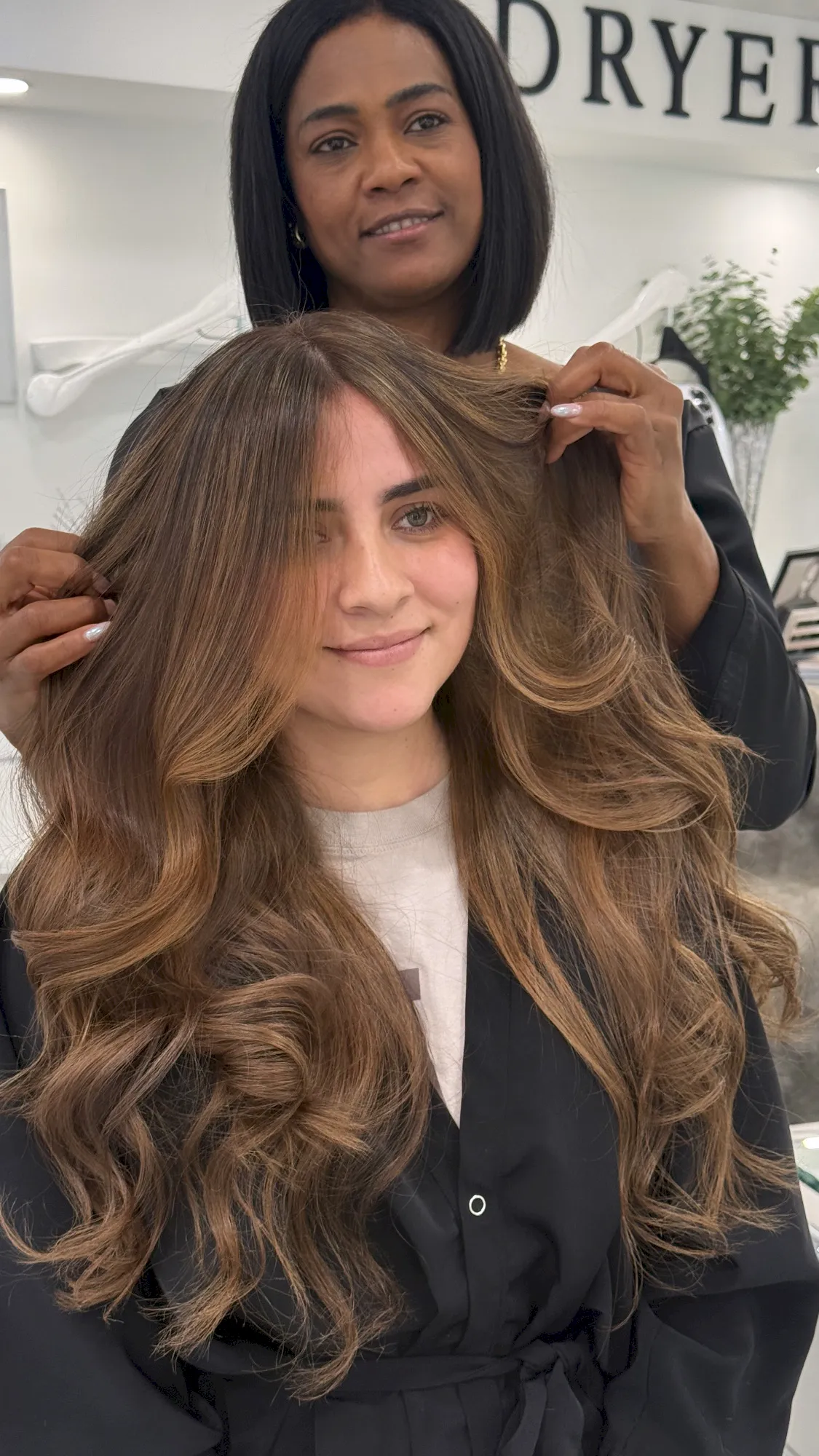
Want to see the finish first? See Dominican blowout results in the gallery.
The most common questions
What is the difference between a regular blowout and a Dominican blowout?
A regular blowout is blow-dried from wet with a brush. A Dominican blowout adds deep conditioning and a roller set dried under a hood, then blows out the roots with a round brush, so it is smoother at the root and fuller through the lengths. It also takes longer.
How long does a Dominican blowout last?
It lasts until your next wash, roughly one to two weeks. Humidity shortens it, so in Virginia Beach summer is the short end and winter the long end. Wrapping your hair at night helps it last.
How much does a Dominican blowout cost?
At Eugenia Hair Studio it is quoted at consultation, based on your hair's length and density, any added treatment and the flat-iron finish. Published US salon menus put blowouts at a typical $50 to $95, with a median of $65.
What do Dominicans use to straighten hair?
A Dominican blowout straightens with technique rather than chemicals: a deep conditioner, rollers, a hood dryer, a light silicone serum and a blow-dryer with a round brush, with a flat iron only where the hair resists.
Is a Dominican blowout bad for your hair?
It uses heat, not chemicals, so it does not change your hair permanently. Damage comes from too much heat too often on unprotected hair, so heat protectant, a light flat-iron pass and enough time between blowouts matter.
Should I wash my hair before a Dominican blowout?
No. The service starts with a clarifying wash and deep conditioning in the studio. Come with your hair detangled if you can, and without heavy oil or product in it.
Is a Dominican blowout good for natural hair?
Yes. It was made for hair with texture, from wavy to coily, and your curl pattern comes back when you wash. Tightly coiled hair takes more time, and hair that is breaking or heat damaged may need a treatment first.
How do I maintain a Dominican blowout?
Wrap it in a doobie at night under a satin scarf or bonnet, sleep on satin, wear a shower cap, keep it away from rain and steam, and use only a little serum on the ends.